Latinx Task Force
Celebrating Culture, Salud, and Community
The Latinx Task Force is the national coalition arm of Latinx Voces, bringing together partners, organizations, practitioners, researchers, and advocates to coordinate strategy, share knowledge, and advance health equity in Latino communities.
The Latinx Task Force convenes a national coalition that advances Latino health equity through research, data, and strategic collaboration.

Get Involved
Who is the Task Force for?
The Latinx Task Force is open to individuals and organizations committed to advancing Latino health equity, including:
- Community-based and Latino-serving organizations
- Public health and healthcare professionals
- Researchers, students and data practitioners
- Community health workers, promotores, and trusted messengers
- Advocates, policy professionals, and systems leaders
The coalition is national in scope, with growing place-based engagement in the Rio Grande Valley.
Join our network
Advance health equity with advocates, researchers, and community leaders advancing Latino health equity.
Community Resources and Tools
We develop and curate resources to support research, practice, and community engagement in Latino health equity. Public resources curated by our team are available below, with additional tools and resources in active development.

Emergency Preparedness & Public Health Response
- Infectious disease readiness
- Emergency communications and trusted messengers
- Border, rural, and workforce health response
- Rapid coordination during public health crises
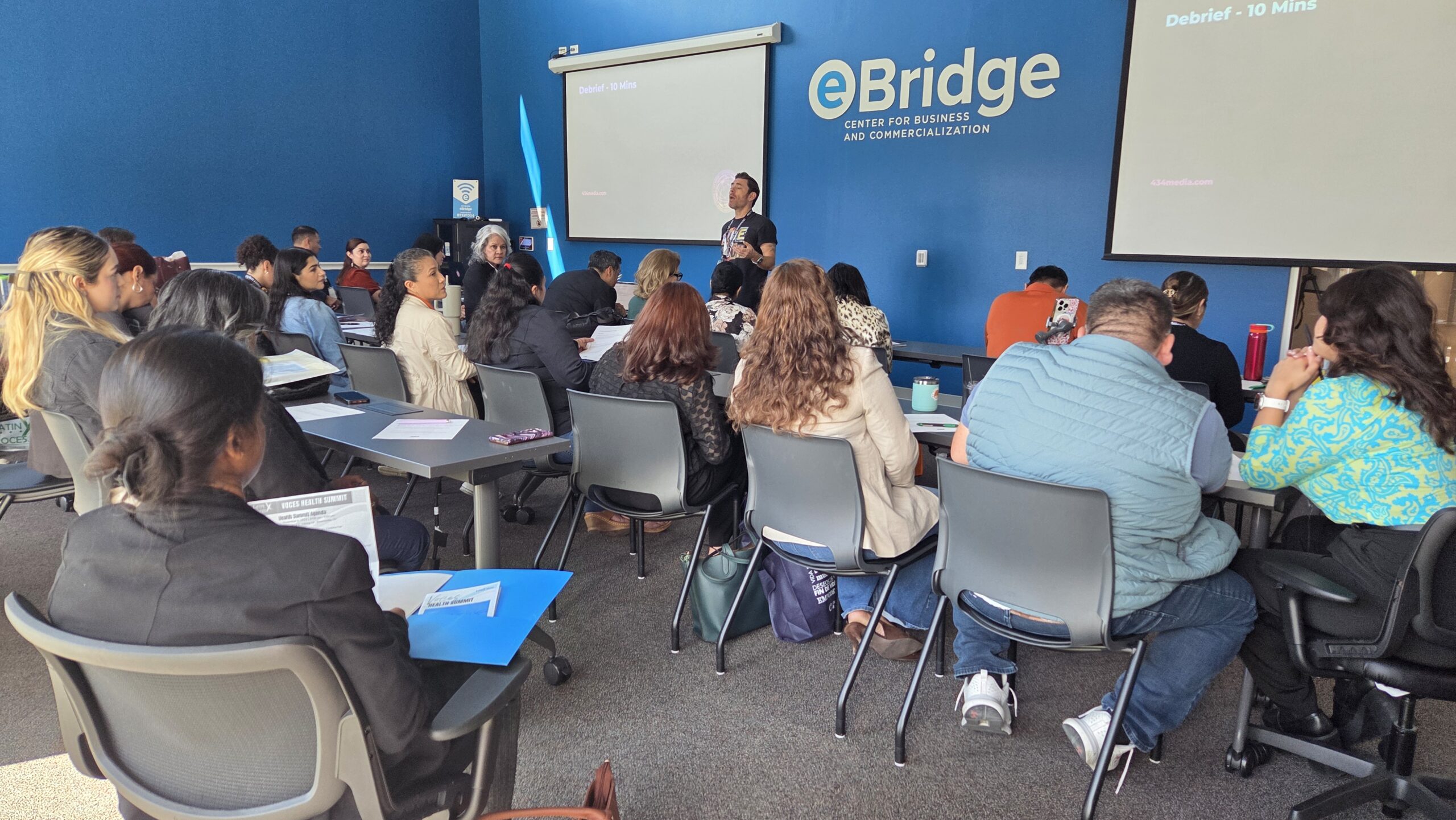
Data, Research & Storytelling
- Identifying and addressing data gaps affecting Latino communities
- Supporting community-informed and applied research
- Translating data into accessible insights and narratives
- Ensuring research informs practice—not just publications

Programs, Education & Capacity Building
- Supporting partner learning through trainings and workshops
- Informing LUCHAR and Latinx Voces programming with coalition insights
- Sharing tools, frameworks, and best practices across partners

Partnerships, Policy & Systems Change
- Strengthening intentional, strategic partnerships
- Coordinating collective policy engagement when appropriate
- Elevating coalition expertise in regional and national conversations